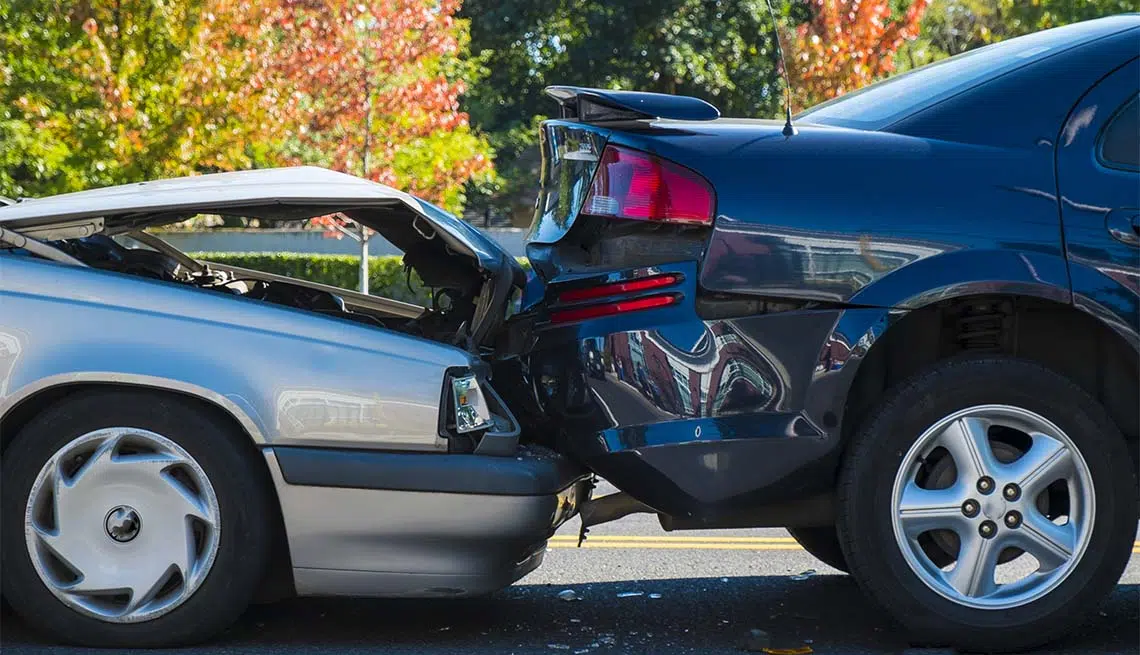
What to Do in the First 24 Hours After a Car Accident in Houston
A car accident can happen in seconds, but the stress can last much longer. One moment you are driving through traffic, thinking about your day. The next moment, there is a loud crash, twisting metal, and confusion. Your heart beats fast. Your hands may shake. It can feel overwhelming.
In those moments, it is hard to think clearly. That is why knowing what to do after a car accident can make a huge difference. The first 24 hours are very important and the steps you take during that time can protect your health, your money, and your future.
If you ever feel unsure about your rights after a car accident, experienced local firms like See You At The Top Law guide injured drivers through the process, especially in car accident cases. But first, let’s walk through what really matters in those first critical hours.
The First Few Minutes: Focus on Safety
Right after the impact, safety is your top priority. Before thinking about cars, insurance, or damage, think about people. Check yourself for pain. Then check anyone else in your vehicle. If someone feels dizzy, confused, or in serious pain, call 911 immediately.
Even if injuries seem small, it is still wise to call for help. After a crash, your body produces adrenaline. This can hide pain for a while. You might feel fine at first, but hours later you may notice stiffness, headaches, or back pain.
If the vehicles can move and it is safe to do so, pull to the side of the road. Turn on your hazard lights. Roads can be busy, and you do not want another accident to happen.
These first moments may feel chaotic, but staying calm helps you make better decisions.
Why Calling the Police Matters
Some people think they only need to call the police if the accident is serious. That is not always true. If you are involved in a car accident in Houston, having officers come to the scene can protect you later.
The officer will create a Houston police report. This document records the date, time, location, and the drivers involved. It may also include notes about road conditions and visible damage. Insurance companies often rely on this report when deciding who was at fault.
Without a report, it can turn into one person’s word against another’s. During the first 24 hours, proper documentation is one of the smartest things you can secure.
What to Say — and What Not to Say
After an accident, emotions can run high. People may feel angry, scared, or embarrassed. In the middle of that stress, it is easy to say something you later regret.
When speaking to the other driver, keep the conversation simple. Exchange names, phone numbers, driver’s license details, and insurance information. Avoid discussing who caused the accident. Even saying “I’m sorry” can be misunderstood as admitting fault.
One of the most important car accident steps to take is to stick to facts. Let investigators and insurance companies figure out what happened.
The Importance of Photos and Evidence
During the first 24 hours after a crash, evidence can disappear quickly. Cars get moved. Debris gets cleaned. Skid marks fade.
That is why taking photos is so important. Use your phone to capture clear images of the vehicles, the damage, the road, traffic signs, and anything else that might help explain what happened. If you have visible injuries, photograph those too.
Pictures tell a story. They can support your version of events if questions come up later.
Do Not Ignore Medical Care
Many people walk away from an accident thinking they are lucky because they do not feel immediate pain. But injuries do not always show up right away.
Neck injuries, back problems, and even concussions can take hours or days to appear. Seeing a doctor within the first 24 hours of a crash does two important things. First, it protects your health. Second, it creates a medical record linking your injury to the accident.
If you wait too long, insurance companies may argue that your injuries came from something else. Seeking medical care is one of the most responsible things you can do after a car accident in Houston.
Dealing With Insurance Companies
After you leave the scene and address medical concerns, you will need to notify your insurance company. Keep your explanation clear and simple. Share basic facts about when and where the accident happened.
Be careful about giving recorded statements to the other driver’s insurance company right away. You have the right to understand your situation before answering detailed questions. Insurance adjusters may sound friendly, but their goal is often to limit how much money the company pays.
This is where many people begin to feel overwhelmed. They may not fully understand their rights or the true value of their claim, especially in a personal injury case. At this stage, many injured drivers choose to speak with a lawyer for guidance. Firms like See You At The Top Law often help Houston accident victims understand what is fair and what is not, especially when insurance companies move quickly with low settlement offers.
Keep Everything Organized
The hours and days after a crash can feel like a blur. Bills start arriving. Repair estimates are discussed. Phone calls happen frequently.
Keeping all documents in one place can reduce stress. Save your Houston police report, medical records, receipts, repair invoices, and any letters from insurance companies. Having everything organized makes it easier to understand your losses and respond if questions arise.
Good organization may not seem important at first, but it becomes very valuable as the situation develops.
Think Before Accepting a Settlement
Sometimes insurance companies offer money quickly. This may seem helpful, especially if you are worried about medical bills or missing work. But early offers are often lower than what a claim may truly be worth.
Before accepting anything, consider whether you fully understand your injuries and future treatment needs. Once you agree to a settlement, you usually cannot ask for more money later.
Understanding what to do after a car accident includes knowing when to pause and think carefully about long-term consequences.
When Legal Help Makes Sense
Not every accident requires legal action. But when injuries are serious, fault is disputed, or insurance companies delay payments, speaking with a lawyer can provide clarity.
A lawyer can handle communication, gather evidence, and help calculate fair compensation. Many personal injury firms, including See You At The Top Law, work on a contingency basis. That means clients do not pay unless the firm wins the case.
For many Houston drivers, simply having someone explain their options brings peace of mind during a stressful time.
The First Day Can Shape What Happens Next
The first 24 hours after a crash may feel confusing, but they set the foundation for everything that follows. Acting carefully, seeking medical care, documenting the scene, and protecting your rights can prevent bigger problems later.
If you or someone you love has recently been in an accident and feels unsure about the next move, See You At The Top Law is available to guide injured drivers through their options and help them pursue fair compensation. You can contact us for a free consultation.
Accidents happen fast. Smart action in the first 24 hours can protect your health, your finances, and your future.
Frequently Asked Questions
- What if the other driver does not have insurance after a car accident in Houston?
If the other driver is uninsured, we help you explore uninsured motorist coverage through your own policy and identify additional recovery options under Texas law.
- Should I contact my insurance company even if the accident was not my fault?
Yes, we recommend notifying your insurer promptly to protect your coverage and comply with policy requirements while avoiding detailed recorded statements without legal guidance.
- What if the accident involved a rideshare vehicle in Houston?
Rideshare accidents involve layered insurance policies. We investigate whether the driver was logged into the app and determine which corporate or personal coverage applies.
- Can I recover compensation if I was partially at fault for the crash?
Texas follows modified comparative fault rules. We evaluate your percentage of responsibility and pursue compensation as long as you are not more than fifty percent at fault.
- How long do I have to file a car accident claim in Houston?
Texas generally allows two years from the accident date to file a personal injury lawsuit, but early legal action helps preserve evidence and strengthen your case.
- What damages can I recover beyond medical bills and car repairs?
You may recover lost wages, future earning capacity, pain and suffering, emotional distress, and other non-economic damages depending on the severity of your injuries.
- What if the at-fault driver leaves the scene of the accident?
In hit-and-run cases, we help coordinate with law enforcement, review surveillance footage, and pursue uninsured motorist claims to protect your financial recovery.
- Will filing a claim affect my insurance rates in Texas?
Insurance rate changes depend on fault and your provider’s policies. We review your situation carefully and advise on steps to protect your interests.